


News
News
Xuzhou's 13th Five-Year Plan for Photovoltaic Power: 1.5GW of new photovoltaic installations in 2020
Release time:
2016-11-29
Xuzhou Municipal Party Committee and Municipal Government attach great importance to the utilization of renewable energy and the development of related industries. Based on the resources and distribution of renewable energy in Xuzhou, and focusing on the construction of ecological civilization in Xuzhou, the implementation is accelerated, and the development of renewable energy is vigorously promoted. Its utilization is equivalent to 1.4 million tons of standard coal, increasing at an annual rate of 30% during the 12th Five-Year Plan period, and the proportion of renewable energy consumption has increased from less than 1% in 2010 to the current 4% (of which the urban area accounts for about 7%), showing a good trend of "double increase" in growth rate and proportion.
Chapter 1 Current Status of Development
Section 1 Achievements
The CPC Xuzhou Municipal Committee and the Municipal Government attach great importance to the utilization of renewable energy and the development of related industries. Based on the resources and distribution of renewable energy in Xuzhou, and focusing on the construction of Xuzhou's ecological civilization, the implementation has been accelerated, and the development of renewable energy has been vigorously promoted. The utilization amounts to 1.4 million tons of standard coal, increasing at an annual rate of 30% during the 12th Five-Year Plan period. The proportion of renewable energy in energy consumption has risen from less than 1% in 2010 to the current 4% (approximately 7% in urban areas), showing a good trend of "dual improvement" in growth rate and proportion.
I. Significant Characteristics of Solar Energy Utilization
Since the 12th Five-Year Plan period, the installed capacity of photovoltaic power generation in the city has rapidly increased from 20,000 kilowatts at the end of 2010 to the current 364,700 kilowatts, with an average annual growth rate of 178.72%. It accounts for nearly 60% of the total installed capacity of new energy power generation, becoming the most important application method of renewable energy power generation. Solar energy utilization has been incorporated into green building design standards. Solar water heating systems have been uniformly designed and constructed for residential buildings below 12 stories. Combined with new rural construction, the construction of solar water heaters, warm houses, and warm sheds is encouraged. By the end of 2015, the total area of solar energy utilization in the city exceeded 4 million square meters, with an effective heat collection area of nearly 1 million square meters, saving 200,000 tons of standard coal annually.
II. Energy-saving and Green Buildings Take Shape
Xuzhou City took the lead in the province in promoting a green building promotion system centered on the utilization of renewable energy. Solar thermal buildings and ground source heat pump applications have taken shape, and new utilization models such as solar energy and ground source heat pump combined air conditioning have also formed a certain demonstration effect, with an effective heat collection area exceeding 5 million square meters and geothermal utilization area exceeding 1 million square meters.
III. Biomass Utilization Highlights
Biomass energy utilization has gradually expanded from power generation and biogas to formed fuels and bioethanol, achieving diversified utilization. In 2015, biomass energy utilization exceeded 1 million tons of standard coal, with an average annual growth of 37.3%. The ban on straw burning and comprehensive utilization have been strengthened. The centralized storage rate of urban garbage has increased from about 60% in 2010 to 95%. Two garbage incineration power plants have been built, with an installed capacity of 36,000 kilowatts. Mazhuang Village in Jiawang District has become the first national demonstration village for centralized biogas supply using straw and solar energy, and advanced models and technologies have been promoted throughout the province.
IV. Decentralized Wind Power Development
Xuzhou City actively explores low-wind-speed wind power utilization models. In 2015, the 74MW low-wind-speed wind farm demonstration project of China Huaneng Group in Jiangzhuang, Jiawang, Xuzhou was connected to the grid, achieving a breakthrough in large-scale wind power generation.
V. Rapid Development of Renewable Energy Industry
Xuzhou City adheres to the model of "leading enterprise driving, upstream and downstream extension, and chain-group development" to promote the development and growth of renewable energy industry clusters. Currently, it has formed a characteristic industrial pattern supported by backbone enterprises such as Zhongneng Silicon Industry, Rott Aider, Qiangmao Electronics, and Ran Kong Technology, with polysilicon, high-efficiency solar cell components, wind turbine slewing bearings, complete sets of new energy power generation equipment, environmental protection and energy-saving equipment, etc., as the main products, and solar photovoltaic, wind power manufacturing, clean technology, and bioenergy as the development directions. The industrial chain is continuously becoming complete, high-end advantages are becoming increasingly prominent, and industrial clusters are taking shape.
Section 2 Existing Problems and Challenges
I. Low Proportion of Renewable Energy
In recent years, relying on the construction of new energy demonstration cities, Xuzhou City has taken the development of photovoltaic power generation and biomass power generation as its main direction, while consolidating the advantages of traditional coal-fired power generation. It follows a path of energy development that complements multiple energies, uses multiple sources, and utilizes resources comprehensively. The renewable energy industry in the city is developing rapidly, but due to the large volume of energy consumption, the high dependence of economic development on coal, and the relatively high cost of renewable energy utilization, the proportion of renewable energy in the city is still low, and there is still a large gap from the national and provincial goals.
II. Difficulties in Promoting Rooftop Distributed Photovoltaics
Distributed photovoltaic power generation is the type of photovoltaic application that the country mainly promotes in the eastern region. However, due to factors such as the difficulty in securing and the instability of roof resources, limited financing channels, and low project returns, the development speed of distributed photovoltaics in our city has been slow. Up to now, the installed capacity of distributed photovoltaic power generation in the city is only 20 megawatts, less than 10% of the total installed capacity of photovoltaics.
III. Renewable Energy Utilization and Ecological Protection Need to be Coordinated
In recent years, our city has made certain achievements in the development of centralized photovoltaic, wind power, and biomass power generation, but the land use efficiency is not high, the impact on the surrounding original ecological environment is large, and the available resource endowment is not clear, leading to the phenomenon that renewable energy application is not coordinated with economic, social, and environmental aspects. A few projects have affected the development of surrounding scenic areas and occupied resources such as restricted-use land.
IV. New Challenges Facing Large-scale Utilization of Renewable Energy
The 13th Five-Year Plan period is a period of industrial transformation, urban expansion, and economic internationalization in Xuzhou City. The city's economy will maintain a stable growth trend, the total GDP will steadily climb, and the total energy consumption will also increase accordingly. The "coal-based" energy structure will make it difficult to free up more space for renewable energy utilization. In addition, based on the current technological level and industrial foundation, the renewable energy industry is still in the growth stage of development, with high development and utilization costs, scattered resources, small utilization scale, and discontinuous production. It will be quite difficult to significantly increase the application scale of renewable energy and improve its replacement capacity.
Section 3 Development Opportunities
I. Increasing Policy Support
In recent years, the state has intensively introduced a series of policies and measures to remove obstacles to the development of renewable energy, clarifying the strategic position of renewable energy development during the 13th Five-Year Plan period, increasing renewable energy subsidy funds, and setting a long-term development goal of reaching 60% renewable energy by 2050. Our province and city have also introduced corresponding policies and measures, with supporting special funds for renewable energy development, providing a good policy environment for the development of renewable energy.
II. Abundant Resources and Prominent Advantages
Xuzhou has good resource endowments in solar energy, biomass energy, and wind energy. Xuzhou City is rich in solar energy resources and is the area with the highest daily solar radiation in Jiangsu Province. It has more heat than North China and better light energy than South Jiangsu. Our city is also a major agricultural city in the province, with a stable annual straw output of around 5 million tons, suitable for large-scale development and utilization; In terms of distributed photovoltaic development, Xuzhou City has more than 200 million square meters of buildings and nearly 100 industrial clusters, with abundant roof resources; In addition, our city has built a large number of photovoltaic, biomass, and other utilization projects, accumulating a wealth of practical experience in renewable energy utilization, providing a good foundation for the next step in renewable energy development.
III. Mechanism Reform Brings Opportunities
In recent years, the state has continuously deepened the reform of the energy system and mechanism, and vigorously promoted the construction of platforms such as "Internet Energy", new energy microgrids, and carbon emission trading. Currently, the state has demonstrated the establishment of more than 20 intelligent microgrid projects, achieving good results. Some key projects have achieved carbon-free energy supply. In addition, the state requires the full-scale rollout of the carbon emission trading system by 2017, bringing new opportunities for the development of renewable energy.
Chapter 2 Development Ideas
Deeply implement the spirit of the 18th National Congress of the Communist Party of China and the Fifth Plenary Session of the 18th Central Committee, fully implement the various decisions and deployments of the Central Committee and the State Council of the Communist Party of China, taking "promoting energy revolution, accelerating energy technology innovation, and building a clean, low-carbon, safe and efficient modern energy system" as the core, and in accordance with the principles of combining decentralized utilization with centralized development, market mechanisms with policy support, and large-scale development with industrial upgrading, focusing on promoting the photovoltaic leader plan, distributed photovoltaic promotion project, new energy vehicle application promotion project, renewable energy complementary utilization project, and intelligent microgrid demonstration application project. Continuously optimize Xuzhou's energy consumption structure, continuously improve the proportion of renewable energy in the total energy consumption, reduce the consumption of fossil energy, and promote the coordinated development of Xuzhou's economy, society, environment, and ecology.
By 2020, the scale of renewable energy applications in the city will be significantly increased, forming a low-carbon green energy supply system that effectively complements conventional energy, with a utilization rate of 2.8 million tons of standard coal, accounting for about 7% of energy consumption.
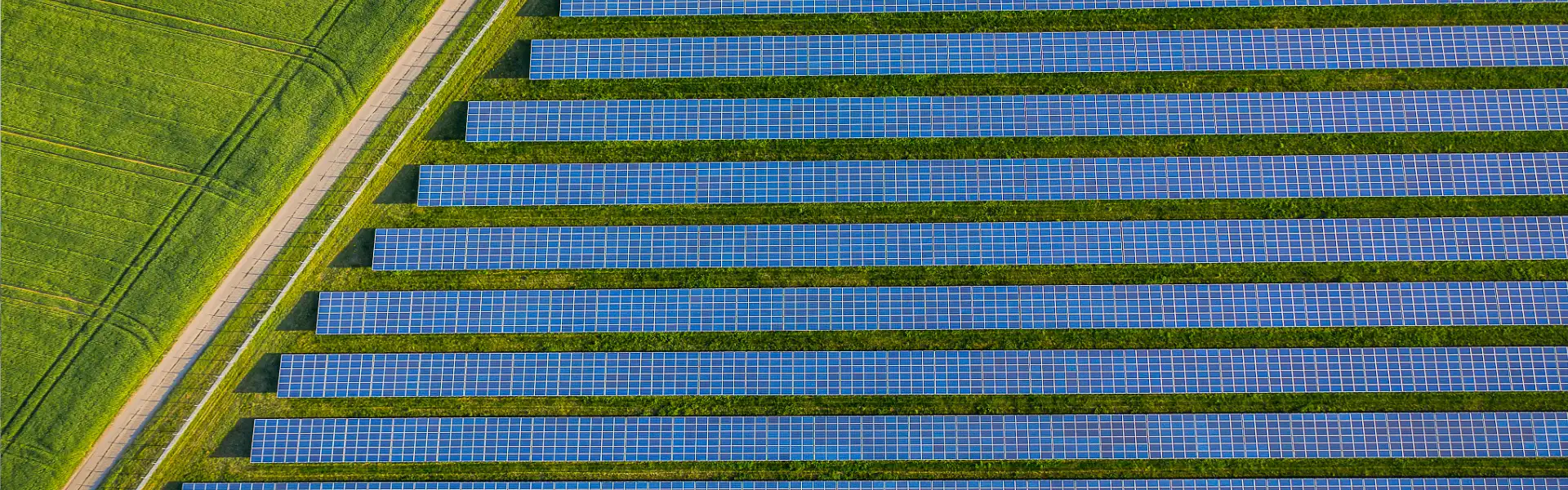
1. Photovoltaic power generation. By 2020, an additional 1.5 million kilowatts of photovoltaic power generation capacity will be added, including more than 200,000 kilowatts of newly added distributed photovoltaic power generation capacity, and the photovoltaic leader plan will be completed.
2. Solar thermal applications. By 2020, the total area of solar thermal utilization in the city will exceed 15 million square meters; the scale of distributed solar water heaters in the city will reach 1.2 million square meters, achieving full popularization of solar thermal utilization in buildings below twelve floors.
3. Biomass energy. Accelerate the promotion of diversified utilization of straw energy, power generation, and biogas. By 2020, the utilization rate of straw energy in the city will exceed 40%, with an increase of 80 million cubic meters in annual biogas production, and an additional 150,000 kilowatts of biomass (garbage) power generation projects.
4. Other renewable energy: According to regional resource endowment and energy needs, combined with environmental protection and ecological protection, orderly development of wind power, geothermal and other renewable energy.
Chapter 3 Key Tasks
Section 1 Accelerating the Promotion of Solar Energy Applications
I. Key Promotion of Large-scale Distributed Photovoltaic Applications
Encourage existing power users, especially key energy-consuming enterprises, to utilize existing rooftops to build distributed photovoltaic power stations; newly built projects, especially projects with comprehensive energy consumption exceeding 3,000 tons of standard coal, should reserve space for distributed photovoltaic construction without special reasons; various industrial clusters should strengthen guidance, fully utilize existing contiguous rooftops, and take the lead in promoting the demonstration application of distributed photovoltaic power generation. Support the use of market-oriented methods such as PPP and contract energy management to utilize the rooftops of existing Party and government organs, schools, hospitals, research institutes, and other public buildings to build distributed photovoltaic power generation projects; guide residents to participate in rooftop photovoltaic power station construction, promote the overall planning and construction of household photovoltaic power generation in low-density residential areas, and combine the construction of new rural construction demonstration areas and targeted poverty alleviation to promote the construction of household distributed photovoltaic projects. By 2020, 3-5 municipal distributed photovoltaic demonstration areas will be built, and efforts will be made to build a national distributed photovoltaic demonstration area.
II. Strengthen the Construction and Management of Ground Photovoltaic Power Stations.
In accordance with the principle of "regional prohibition and restriction, scientific planning, relatively centralized, and moderate capacity expansion", combined with the actual situation of available land resources and provincial-controlled construction scale indicators, reasonably plan the layout of ground photovoltaic power stations. Implement classified management of land use for ground photovoltaic power station construction, and existing unused land with reasonable Applications shall not change the land use status to build photovoltaic power stations. Implement a market entry competition mechanism for ground photovoltaic power stations and a distributed photovoltaic quota system, relying on the photovoltaic leader plan, to effectively improve the construction level of ground photovoltaic power stations and reduce the installation cost of photovoltaic power stations.
III. Large-scale Development of Photothermal Building Integration
Strictly implement the construction of solar centralized hot water supply projects for newly built and renovated residential projects of 12 floors and below, promote solar thermal-ground source heat pump coupled heating technology, and actively encourage urban residents to install efficient solar water heaters in a decentralized manner. Government-funded newly built public building projects (such as schools, hospitals, nursing homes, etc.), public buildings with heating needs or a building area of more than 10,000 square meters (shopping malls, hotels, etc.) with concentrated hot water consumption, shall be equipped with the application of solar centralized hot water supply.
IV. Accelerate the Promotion of Solar Lighting Applications
Guide the use of solar photovoltaic lighting systems in newly built public green spaces, squares, parks, scenic areas, and urban roads in urban areas for lighting, traffic signals, billboards, signs, etc., as well as streetlights, lawn lights and other courtyard lighting in newly built residential areas, and lighting in government agencies, hospitals, hotels, and other public buildings.
Section 2 Focusing on Improving the Diversified Application Level of Biomass Energy
I. Key Promotion of Straw Energy Utilization
Actively promote the construction of straw solidified fuel projects, and accelerate the promotion of special biomass energy-saving stoves in urban and rural cooking and heating Applications. By 2020, the city will add 500 straw solidified projects, with an annual processing capacity of more than 1 million tons of straw. In accordance with the distribution of straw resources, in principle, one biomass power plant per county, key promotion of a number of biomass power generation projects, strengthening the promotion of straw pressing points, straw collection, storage and transportation system, to ensure the safe and stable operation of the power station. By 2020, efforts will be made to achieve full coverage of straw power generation in counties.
II. Accelerate the Implementation of Biogas Supply Projects
Gradually promote the industrial development of biogas, vigorously promote large and medium-sized biogas projects, achieve centralized biogas supply in the process of rural construction, accelerate the promotion of biogas breeding complementary biogas utilization projects, actively promote the construction of household biogas projects, and orderly promote biogas power generation. By 2020, 25 large and medium-sized biogas projects, 800 biogas breeding complementary projects, and 120,000 household biogas projects will be built, with an annual biogas supply of more than 70 million cubic meters.
III. Orderly Promotion of Garbage Energy Utilization
Focusing on achieving "daily production and daily cleaning" of garbage, combined with the garbage storage and transportation radius, garbage disposal range, etc., fully considering urban wind direction, environmental protection and other factors, scientifically plan and orderly promote the construction of garbage power generation projects. Accelerate the application of advanced and applicable technologies, and promote the energy utilization of urban garbage such as sludge and kitchen waste. By 2020, the city's garbage energy utilization rate will exceed 70%, and all areas will achieve "daily production and daily cleaning" of garbage, demonstrating the promotion of 1-2 diversified utilization projects of kitchen waste energy, biofuel production, and other biomass energy.
Section 3 New Energy Vehicles
I. Classified Promotion of Charging Infrastructure Construction
Following the principles of "demand priority, moderate advancement, resource integration, and relative concentration," a number of charging facilities will be built in a classified and regional manner. High-traffic areas such as government buildings, stations, residential complexes, scenic spots, parking lots, hotels, and shopping malls will be prioritized for the large-scale deployment of charging facilities; in conjunction with the continued promotion of new energy vehicles in public transportation such as buses and taxis, charging facilities that meet demand will be built based on existing gas stations, while ensuring safety; a number of charging facilities will be rationally deployed around priority promotion areas such as logistics, law enforcement, and sanitation, fully combining vehicle usage time and operating radius. By 2020, 700 charging piles of various types will be built to meet the city's new energy vehicle charging needs.
II. Optimize the construction environment for charging facilities.
Increase construction space. In the design of new buildings, the renovation of existing buildings, urban and rural planning, and urbanization construction, space for the deployment of charging facilities should be reserved, and unified planning and construction should be encouraged; fully open the market, with enterprises and the market as the main body, actively introduce new investment and operation models such as PPP, crowdfunding, group charging, wireless charging, and mobile charging, and new charging facility technologies to accelerate the improvement of market vitality. Encourage new energy vehicle operation and charging and swapping service operators to carry out commercial operations such as new energy vehicle charging and swapping services.
III. Accelerate the promotion of new energy vehicles
Continue to strengthen the promotion and application of new energy vehicles in areas such as public transportation and taxis; expand the scale of promotion and application of new energy vehicles in logistics, sanitation, airports, public security patrols, corporate commuting, and tourism; carry out publicity work on new energy vehicles throughout the city, and strive to cultivate the private car market for new energy vehicles. By 2020, the city strives to promote 1,500 new energy vehicles.
Section IV Accelerating the Construction of New Energy Microgrids
Following the principles of "adapting to local conditions, multi-energy complementation, flexible configuration, and economic efficiency," networked new energy microgrid demonstration projects supported by smart grids, the Internet of Things, and energy storage technology, where new energy plays an important role, will be implemented. The main method of independent operation will be used to solve the power supply problems in specific areas, establishing a new power supply and use model that makes full use of new energy power generation and grid system support, forming a new situation where thousands of households develop new energy and "self-generation and self-use, surplus power grid connection, and grid adjustment." By 2020, 1-2 renewable micro-energy grid demonstration projects will be completed.
Chapter IV Supporting Measures
Section I Strengthening Organizational Leadership
Clearly define responsibilities. Following the principle of clear responsibilities and collaborative efforts, the responsible entities for various tasks will be clearly defined. Relevant departments should strengthen guidance on the implementation of the plan and create conditions for its effective implementation. Fully leverage the role of enterprises, social groups, and the public in the implementation of the plan.
Strengthen tracking and evaluation. Establish a scientific and reasonable evaluation mechanism, improve the evaluation indicator system for plan implementation, formulate monitoring and evaluation methods, conduct assessments of plan implementation, adjust work intensity based on the assessment results, promote the smooth achievement of plan tasks and goals, and revise the plan as needed.
Section II Strengthening Policy Support
Actively strive for and implement relevant supporting policies from higher levels in the field of renewable energy promotion and application, and improve local supporting policies; include renewable energy projects that are technologically advanced, have obvious advantages, have strong driving and supporting roles, have great promotion significance, and are practical in the city's key project planning and annual implementation plan, giving priority to support in land, credit, and subsidies; establish a green channel for the approval of renewable energy projects, further simplify procedures, improve efficiency, and accelerate the progress of renewable energy projects; actively build a platform for cooperation between banks and enterprises, encourage capital market financing, broaden financing channels, and study the establishment of a renewable energy application industry fund.
Section III Vigorously Implementing Innovative Development
Deeply implement the national "New Towns, New Energy, New Life" action plan, and effectively grasp the large-scale application in key areas such as solar energy and biomass energy; combine the work of controlling total energy consumption, renewable energy quota management, carbon trading, and target responsibility assessment for industrial and building energy efficiency to expand the development space for renewable energy; actively promote the combination of renewable energy and the Internet to improve the renewable energy consumption capacity and utilization efficiency; actively carry out pilot demonstrations of biomass heating, distributed photovoltaic applications, "Internet energy," and "smart microgrids"; actively leverage market forces and explore new commercial investment models such as package construction and crowdfunding.
Section IV Establishing a Renewable Energy Information Management Platform
Improve the renewable energy statistical system, further standardize statistical standards, and release statistical information in a timely manner. Launch the construction of a renewable energy information management platform, covering all member units of the joint meeting, key renewable energy production and application enterprises, and related service units, using information technology means such as cloud computing, the Internet of Things, data warehouses, and mobile Internet to achieve dynamic query functions for resource data, data reporting, summarization, and statistical analysis of renewable energy development and utilization, comprehensive management functions for key renewable energy projects, and News release functions for renewable energy utilization status, monitoring, and supervision.
Section V Optimizing and Improving Supporting Service Capabilities
Implement government-enterprise linkage, strengthen the construction of renewable energy scientific research institutions, establish major scientific and technological projects, focus on supporting the research and development and industrialization of renewable energy technologies, determine the key technical problems that need to be overcome, conduct research on related major technical difficulties, and establish a technology innovation system with enterprises and research institutions as the main body, market orientation, and the combination of production, learning, and research; actively absorb domestic and foreign talents in the new energy field through flexible introduction methods such as project entrustment and part-time work, short-term services, collaborative research, and technology equity investment. Strengthen cooperation with domestic and foreign universities and local research institutions, focusing on cultivating a group of high-level technical personnel, management personnel, and high-quality industrial workers in the renewable energy field to provide talent support for the development of the renewable energy industry.
Latest developments

lino power group
Service Hotline: +86-531-88729999
Address: No. 30766, Jingshidong Road, Jinan, China
Group Station Group:
Hongjitang
Linuo Pharma
Keyuan Pharma
Linuo Pharmaceutical Packaging
Linuo Ritter
Linuo Power
Wuhan Youji
Twin Tigers Coatings