


News
News
The 13th Five-Year Plan for Energy Development has been approved.
Release time:
2016-11-18
On November 17, Li Keqiang, a member of the Standing Committee of the Political Bureau of the CPC Central Committee, Premier of the State Council, and Director of the National Energy Commission, presided over a meeting of the National Energy Commission. The meeting reviewed and adopted the "13th Five-Year Plan" for Energy Development, formulated in accordance with the Outline of the 13th Five-Year Plan for National Economic and Social Development, and deployed the promotion of related work.
On November 17, Li Keqiang, a member of the Standing Committee of the Political Bureau of the CPC Central Committee, Premier of the State Council, and Director of the National Energy Commission, presided over a meeting of the National Energy Commission, which reviewed and adopted the "13th Five-Year Plan" for Energy Development, formulated in accordance with the Outline of the 13th Five-Year Plan for National Economic and Social Development, and deployed the promotion of related work.
Li Keqiang said that the energy strategy is an important pillar of the national development strategy. Currently, facing the profound adjustment of the international energy supply and demand pattern and the burgeoning new round of energy technological revolution, China, as a major energy producer and consumer, must seize the opportunities, implement the new development concept, take the supply-side structural reform as the main line, actively promote the revolution and international cooperation in energy consumption, supply, technology, and system, optimize the energy structure, and strive to make up for many shortcomings in energy development, such as resource and environmental constraints, low quality and efficiency, weak infrastructure, and lack of key technologies, enhance the competitiveness of the energy industry, build a clean, low-carbon, safe and efficient modern energy system, and better support the sustained and stable development of the Chinese economy.
Li Keqiang pointed out that energy production should both optimize the existing stock and expand the increment. Promoting the clean and efficient development and utilization of coal should be the foothold and priority task of energy transformation and development. We should also accelerate the increase in the proportion of renewable energy sources such as hydropower, wind power, solar energy, and biomass energy, develop nuclear energy safely and efficiently, and optimize the energy production layout. Energy consumption should focus on controlling both the total amount and intensity. We should comprehensively use economic, legal, and necessary administrative means, focus on key areas such as industry, construction, and transportation, and effectively promote energy conservation and emission reduction. Through the elimination of backward production capacity, accelerating the upgrading and transformation of traditional industries, and cultivating new impetus, we should improve energy efficiency and promote the formation of a lifestyle and social atmosphere that emphasizes energy conservation. Currently, we should make overall plans for winter residents' heating and air pollution prevention and control.
Li Keqiang said that accelerating technological innovation and system reform is the key support for promoting sustainable energy development. We should concentrate our efforts on making breakthroughs in the development and utilization of renewable energy, especially in new energy grid connection technology, energy storage, and microgrid technology. We should comprehensively build an "Internet of Things" smart energy system, improve the adjustment capacity of the power grid system, increase the absorption capacity of new energy, develop advanced and efficient energy-saving technologies, and seize the commanding heights of energy technology competition. We should actively promote mass entrepreneurship and innovation, further stimulate the creativity and innovation potential of employees in energy industry enterprises and research institutes, and cultivate more energy technology advantages and transform them into economic advantages. We should deepen energy market-oriented reforms, simplify government administration and delegate power, combine regulation with deregulation, optimize services, reform the oil and gas mining rights system, and streamline the power transmission and distribution links. While deepening the reform of state-owned energy enterprises, we should actively support the entry of the private economy into the energy sector. We should improve the mechanisms and policies to encourage the development of distributed energy, streamline the energy pricing system, restore the commodity attributes of energy, give full play to the decisive role of market allocation of resources and better play the role of the government, and build a fair and competitive energy market system.
Li Keqiang pointed out that ensuring national energy security requires coordinating both domestic and international situations. We should both rely on domestic resources and deepen international cooperation to form a diversified and stable supply pattern. We should consolidate mutually beneficial cooperation with traditional resource countries, optimize the energy trade structure, seize the major opportunities of the "Belt and Road" initiative, promote the interconnection of energy infrastructure, increase international production capacity cooperation, and drive the export of competitive energy equipment. We should actively participate in global energy governance and promote the development of the international energy order and governance system in a more just and reasonable direction.
"Energy development in the next five years will mainly focus on promoting energy revolution, including energy consumption revolution, supply revolution, technological revolution, and system revolution. The first priority is to carry out structural reforms on the existing stock. In the coal-based consumption structure, promoting the clean utilization of coal is given a relatively important position. In terms of incremental development, the focus is on vigorously developing renewable energy. From the perspective of consumption, the issue of dual control is further emphasized." Gao Shixian, deputy director of the National Development and Reform Commission's Energy Research Institute, said in an interview with a reporter from the Economic Reference News.
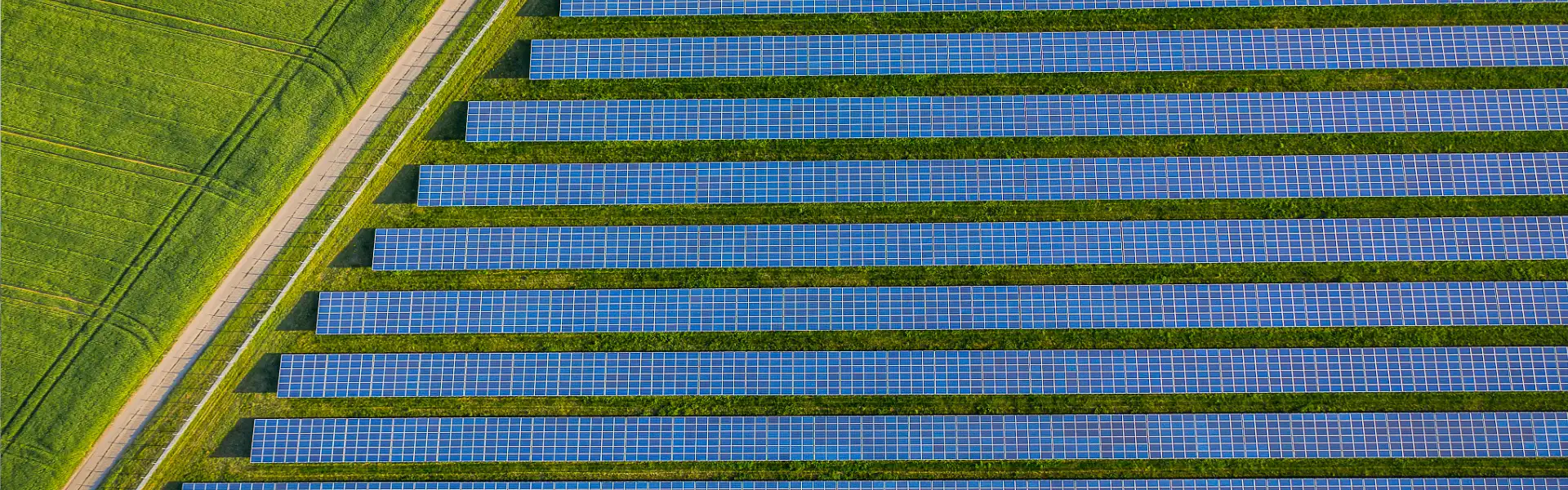
The "13th Five-Year Plan" for Energy Development clearly states that in the first three years of the "13th Five-Year Plan", no new coal or oil refining projects will be approved in principle, while the "freeze period" for the approval of coal-fired power plants and coal chemical projects will be the first two years. The national coal-fired power generation capacity will strive to be controlled within 1.1 billion kilowatts. At the same time, the layout of wind power and photovoltaic power generation will be optimized, and efforts will be made to control the rate of wind and solar power curtailment to a reasonable level of around 5% within two years. Under this, hydropower and nuclear power will become new driving forces to make up for structural shortcomings, and will be planned in advance and the scale of construction will be moderately increased.
At the same time, in the entire energy system, the role of technological innovation and system reform is further highlighted. "Unlike previous five-year plans, this plan particularly emphasizes actively supporting the private economy to Enter the energy sector, which is an opportunity. With the advancement of electricity reform, there are many investment opportunities in power transmission and distribution. In addition, areas with good investment opportunities include new energy grid connection technology, energy storage, and microgrid technology." Gao Shixian said.
Latest developments

lino power group
Service Hotline: +86-531-88729999
Address: No. 30766, Jingshidong Road, Jinan, China
Group Station Group:
Hongjitang
Linuo Pharma
Keyuan Pharma
Linuo Pharmaceutical Packaging
Linuo Ritter
Linuo Power
Wuhan Youji
Twin Tigers Coatings