


News
News
Shandong Province's Medium- and Long-Term Energy Development Plan: 10GW of photovoltaic installations in 2020
Release time:
2016-12-19
On December 16, the Shandong Provincial Development and Reform Commission issued the "Shandong Provincial Energy Long-Term Development Plan". During the 12th Five-Year Plan period, Shandong's installed capacity of new energy power generation reached 11.151 million kilowatts, of which photovoltaic power generation capacity reached 1.327 million kilowatts. The release of Shandong's energy development plan promotes energy transformation and upgrading, accelerates the construction of a clean, low-carbon, safe, and efficient modern energy system, and provides strong energy security for striving to be at the forefront in the process of building a moderately prosperous society in all respects and creating a new situation for the construction of a strong province in economy and culture.
On December 16, the Shandong Provincial Development and Reform Commission issued the "Shandong Provincial Energy Long-Term Development Plan." During the 12th Five-Year Plan period, Shandong's installed capacity of new energy power generation reached 11.151 million kilowatts, including 1.327 million kilowatts of photovoltaic power generation. The release of Shandong's energy development plan promotes energy transformation and upgrading, accelerates the construction of a clean, low-carbon, safe, and efficient modern energy system, and provides strong energy security to strive to be at the forefront in the process of building a moderately prosperous society in an all-round way and to create a new situation in the construction of a strong province of economy and culture.
Excerpts on photovoltaic industry content are as follows:
Photovoltaic power generation adheres to a combination of centralized and distributed generation.
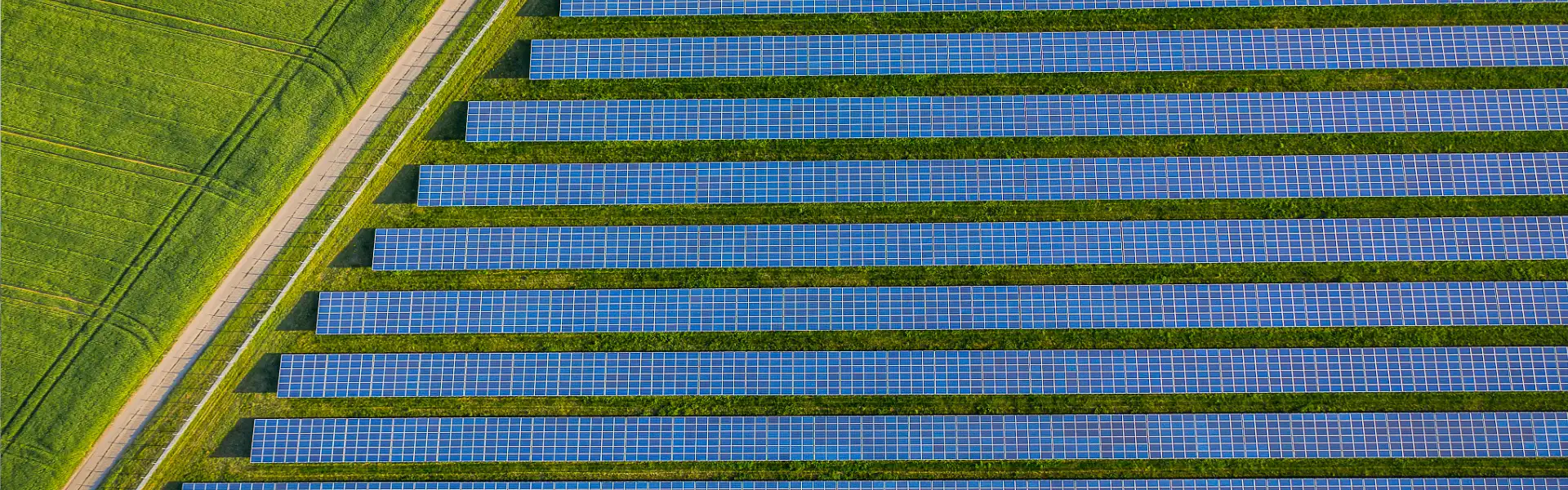
Make full use of collapsed land, wasteland, and saline-alkali land to develop centralized photovoltaic power generation, focusing on building photovoltaic power generation bases in the southwestern collapsed land of Shandong and in the saline-alkali tidal flats of the Yellow River Delta; combining with the construction of high-efficiency agricultural areas and industrial parks, actively promoting distributed photovoltaic power generation, and establishing a number of demonstration areas for large-scale application of distributed photovoltaic power generation and demonstration areas for comprehensive utilization of wind and light, agriculture and light, and fishery and light. By 2020, the province's installed photovoltaic power generation capacity will reach 10 million kilowatts, including 8 million kilowatts of photovoltaic power plants and 2 million kilowatts of distributed photovoltaic power generation; by 2030, the province's installed photovoltaic power generation capacity will reach 25 million kilowatts, including 17 million kilowatts of photovoltaic power plants and 8 million kilowatts of distributed photovoltaic power generation.
Vigorously develop clean energy in rural areas
Vigorously develop clean energy in rural areas. Combining rural resource conditions and energy consumption habits, promoting the development and utilization of renewable energy sources such as agricultural and forestry waste, livestock farm waste, solar energy, and wind energy through multiple approaches, and promoting efficient and clean rural energy consumption. Develop household biogas, linked household biogas, and small and medium-sized biogas projects in a way that suits local conditions, support the development of large-scale biogas projects; encourage the combination of distributed photovoltaic power generation with poverty alleviation, rural construction, and facility agriculture development, promoting the improvement of rural residents' lives and the development of agriculture and rural areas; promote the application of energy-saving stoves and kang, solar water heaters, small wind power, and micro-hydropower in rural areas; and steadily promote the construction of green energy counties, townships, and villages.
Strengthen smart grid construction
Construct an ultra-high voltage backbone network, accelerate the construction of ultra-high voltage power transmission projects from energy provinces and regions such as Inner Mongolia, Shaanxi, and Shanxi to Shandong and the provincial ultra-high voltage grid, build "four AC and three DC" ultra-high voltage power transmission channels from outside the province and a "three horizontal and two vertical" provincial ultra-high voltage grid within the province, and improve the capacity to accept electricity from outside the province. Strengthen the 500-kilovolt provincial main grid, optimize the layout of substations, improve the load center ring network, strengthen the connection between transmission channels, meet the needs of power transmission from outside the province, nuclear power, large coal-fired power plants, and regional load growth, and improve the inter-supply capacity of power supply areas. Improve the 220-kilovolt municipal main grid, strengthen the connection between adjacent power supply areas and 500-kilovolt substations, and better serve the transmission of renewable energy, the construction of electrified railways, and local economic and social development. Strengthen smart grid construction, widely apply smart electricity meters, improve the intelligence level of power grid control centers, operation monitoring centers, and customer service centers, achieve deep integration of the power grid with the Internet, the Internet of Things, and smart mobile terminals, meet diversified customer needs, and serve the development of smart homes, smart communities, smart transportation, and smart cities. By 2020, the capacity to accept electricity from outside the province will reach about 35 million kilowatts, each city will have at least two 500-kilovolt substations, and each county will have four 220-kilovolt substations. By 2030, the capacity to accept electricity from outside the province will reach more than 50 million kilowatts, each city will have at least three 500-kilovolt substations, and each county will have five 220-kilovolt substations.
Promote energy technological innovation
Improve the forward-looking nature of energy technology innovation, keep up with the new trends of the energy technology revolution, take green and low-carbon as the main direction of attack, adhere to independent innovation and the combination of introducing, digesting, absorbing and re-innovating, improve the innovation incentive mechanism, and comprehensively promote basic, comprehensive, and strategic energy scientific research, strengthen the support and leading role of science and technology in energy development, and build a strong province of energy science and technology. In accordance with the path requirements of "promoting a batch of applications, demonstrating and testing a batch, and concentrating on attacking a batch," actively promote the application of energy-saving and emission-reduction technologies for coal-fired power generation, third- and fourth-generation nuclear power, large-capacity long-distance power transmission, new high-efficiency energy storage materials, etc., which are mature, have market demand, and are relatively economical; demonstrate and test fast reactors, modular small reactors, multi-energy complementary distributed power generation, island microgrids, ocean tidal power generation, and other major key technologies with certain technological accumulation but whose processes and markets need to be verified; concentrate on tackling advanced frontier technologies with broad prospects and urgent breakthroughs, such as green coal-fired power generation, new high-efficiency and low-cost photovoltaic power generation, cloud-based power grid dispatching and control systems, new high-efficiency batteries, and hydrogen energy utilization, and seize the commanding heights of energy science and technology.
Accelerate the construction of smart energy
Accelerate the intelligent development of the entire field and all aspects of energy, and improve the sustainable and adaptive capacity of energy development. Strengthen the construction of smart energy infrastructure, promote the flattening of energy management systems, and promote the revolution of energy production and consumption patterns. Establish a public service network for energy production operation monitoring, management, and dispatching information, strengthen information docking between upstream and downstream enterprises in the energy industry chain, and promote the intelligent production and consumption of energy, pushing for deep integration of the energy system with the Internet, cloud computing, and big data. Adapt to the development of distributed energy and the diversified needs of users, optimize power demand-side management, accelerate the construction of smart grids, and improve the interactive response capabilities of the power grid with the generation side and the demand side. Promote the deep integration of new technologies in energy and information and other fields, coordinate the construction of energy and communication, transportation, and other infrastructure networks, and build an energy Internet with coordinated development and integrated complementation of "source-grid-load-storage." By 2020, a number of energy Internet demonstration projects of different types and scales will be built; by 2030, a multi-energy complementary, supply-demand coordinated smart energy system will be built.
Steadily advance electric power system reform
With market-oriented reform as the main line, with the priority guarantee of people's livelihood electricity and clean energy power generation as the bottom line, and in accordance with the overall requirements of "three openings, one independence, and three strengthenings," steadily advance electric power system reform, and establish and improve the market system of the power industry that is "legally based, separation of government and enterprises, standardized subjects, fair transactions, reasonable prices, and effective supervision." Orderly advance price reform, conduct calculations and verification of transmission and distribution prices, gradually advance the marketization of generation and distribution prices, properly handle cross-subsidies of price policies, and straighten out the price formation mechanism. Advance electricity trading system reform, standardize market entity entry standards, expand the scale of direct electricity trading, and carry out electricity spot trading in due course based on long-term trading. Improve the cross-provincial and cross-regional electricity trading mechanism and the electricity market auxiliary service mechanism. Establish a relatively independent Shandong Power Trading Center, set up a market management committee, reform and regulate the operation mode of grid enterprises, and form a fair and standardized market trading platform. Advance power generation and consumption plan reform, orderly release power generation and consumption plans, establish a priority power generation system and a priority power purchase system, strengthen power demand-side management and power emergency mechanism construction, and give greater play to the role of market mechanisms. Steadily advance the reform of the sales side, encourage social capital investment in new distribution business, establish an entry and exit mechanism for sales entities, cultivate sales entities through multiple channels, give sales entities corresponding rights and responsibilities, and orderly open sales business to social capital. Open grid fair access, establish a new mechanism for the development of distributed power sources, actively develop distributed power sources, and improve the grid-connected operation and service of renewable energy. Strengthen and regulate the supervision and management of self-owned power plants, and promote the transformation and upgrading of self-owned power plants.
Strengthening energy efficiency in the building sector
Guided by the principles of green, circular, and low-carbon development, we will vigorously promote energy efficiency and green building development in the building sector and implement building energy efficiency improvement projects. We will raise building energy efficiency standards, improve the evaluation system for green and energy-efficient buildings and building materials, formulate application standards for distributed energy buildings, and formulate the "Shandong Provincial Green Building Management Measures." All newly constructed buildings within the planned areas of cities at the county level and above will fully implement green building energy efficiency standards. We will actively carry out energy efficiency renovation projects for existing buildings, focusing on systems and equipment such as air conditioning, ventilation, lighting, hot water, and elevators, and actively promote energy efficiency renovation of public buildings. We will support and encourage localities to combine their natural climatic characteristics and promote the application of new energy technologies such as geothermal heat pumps, water source heat pumps, and solar power generation, and develop passive houses and other green energy-efficient buildings. We will accelerate the development of prefabricated buildings and vigorously promote the application of energy-efficient building materials, green building materials, and new structural systems, components, parts, and supporting technologies. We will implement the "Building Energy Efficiency Leader" initiative, construct ultra-low energy consumption or near-zero energy consumption building demonstration projects, and conduct the construction of concentrated and contiguous demonstration areas in a timely manner. In the Shandong Provincial Long-Term Energy Development Plan, on page 39, we will promote government agency energy conservation and organize the creation of "Energy-Saving Universities" and "Energy-Saving Hospitals." We will vigorously promote the implementation of separate metering of residential heating, requiring all new residential buildings to implement separate metering of heating, and gradually implementing separate metering of heating in existing residential buildings through renovation.
Implementing systematic energy efficiency
Adhering to the concept of comprehensive and coordinated development, we will coordinate the optimization of incremental energy systems and adjustments to existing systems, promote system integration, implement optimization of the entire process from primary energy to end-use, and comprehensively improve the overall efficiency and economic and environmental benefits of the energy system. We will strengthen the integrated and complementary use of various power sources such as wind, solar, thermal, and gas power, and energy storage facilities, and comprehensively promote the interconnection of power, gas, heat, and cooling supply systems, so that different types of energy can be used cleanly and efficiently, and gradually achieve cascade integrated utilization of the energy system. Focusing on distributed energy, smart microgrids, and electric vehicles as highlighted in the Shandong Provincial Long-Term Energy Development Plan on page 41, we will expand the scale of application of new energy utilization technologies, actively promote distributed renewable energy and integrated natural gas distributed energy projects, and achieve a shift in energy supply from a single centralized model to one that combines small-scale decentralized utilization and centralized supply.
Non-fossil energy doubling action plan
Focusing on building a demonstration province and region for new and renewable energy, we will develop wind power, photovoltaic power generation, nuclear power, and pumped storage power stations on a large scale according to local conditions. By 2020 and 2030, the installed capacity of non-fossil energy will reach 30 million kilowatts and 81.55 million kilowatts respectively, which are 2.7 and 7.3 times that of 2015. Ten-million-kilowatt-level wind power base project. In the near term, we will focus on building a number of centralized and large-scale wind power projects, including Huainan Haiyang, Guodian Yishan, Huadian Yiyuan, and Huarun Fucheng, as mentioned in the Shandong Provincial Long-Term Energy Development Plan on page 48, to build a land-based ten-million-kilowatt-level wind power base. In due course, we will launch the construction of wind farms in the northern part of Shandong, Laizhou Bay, Changdao intertidal zone, and offshore areas. In the long term, we will expand the development scale of land-based wind power bases and build three million-kilowatt-level offshore wind farms in northern Shandong, Laizhou Bay, and Changdao, and initiate the construction of offshore wind farms in Bozhong, the northern part of the peninsula, and the southern part of the peninsula.
Photovoltaic power generation demonstration project
In the near term, focusing on Jining, Tai'an, Zaozhuang, and Heze, we will implement photovoltaic power generation projects in collapsed land. Focusing on Dongying, Binzhou, and Weifang, we will implement photovoltaic power generation projects in saline-alkali tidal flats in the Yellow River Delta. Focusing on Qingdao, Weifang, Weihai, Zaozhuang, Dongying, Dezhou, Liaocheng, Laowu, and Heze, we will implement high-efficiency ecological agriculture photovoltaic power generation projects. Utilizing rooftops of industrial parks, commercial areas, and public buildings, we will implement the "Ten Million Rooftops" distributed photovoltaic power generation project.
Distributed energy integrated utilization project
We will strengthen the coordinated planning and integrated construction of power supply and consumption systems. Focusing on small towns, industrial parks, business districts, and large public facilities such as airports, stations, hospitals, and schools, we will implement the coordinated development and utilization of traditional energy sources and wind, solar, geothermal, and biomass energy according to the principles of "decentralized layout, on-site consumption, comprehensive utilization, and multi-energy complementation." We will optimize the layout of infrastructure such as power, gas, heat, cooling, and water supply corridors, and achieve multi-energy complementation and coordinated supply through natural gas trigeneration, distributed renewable energy, and energy smart microgrids, providing users with efficient and intelligent energy supply and related value-added services. We will implement energy demand-side management and promote on-site clean energy production and on-site consumption, as mentioned in the Shandong Provincial Long-Term Energy Development Plan on page 55, to improve energy efficiency.
Intelligent power trading platform construction project
Taking advantage of electricity system reform and utilizing information technologies such as the internet, we will actively build an intelligent power trading platform and cultivate new market players such as load integrators, power retailers, and integrated energy operators. We will encourage individuals, families, and small and micro users of distributed energy to participate flexibly and independently in the electricity market, and support point-to-point transactions between green electricity such as wind power, photovoltaic power, and biomass power generation and users. We will gradually build a diversified trading system with energy, auxiliary services, renewable energy quotas, and virtual energy currency as its objects, forming a market trading pattern with multiple participants, full competition, and equal and open access.
Photovoltaic poverty alleviation project
Adhering to the overall approach of "provincial-level coordination, county-level overall responsibility, unified planning, phased implementation, policy support, and joint promotion," we will establish and improve a funding mechanism that combines government subsidies, social assistance, financial support, and funding from supporting units and users, and promote the construction of centralized and distributed photovoltaic power generation projects according to local conditions. By 2018, we strive to benefit 100,000 impoverished households and enable impoverished people to obtain long-term and stable income.
Latest developments

lino power group
Service Hotline: +86-531-88729999
Address: No. 30766, Jingshidong Road, Jinan, China
Group Station Group:
Hongjitang
Linuo Pharma
Keyuan Pharma
Linuo Pharmaceutical Packaging
Linuo Ritter
Linuo Power
Wuhan Youji
Twin Tigers Coatings