


Project Cases
Project Cases
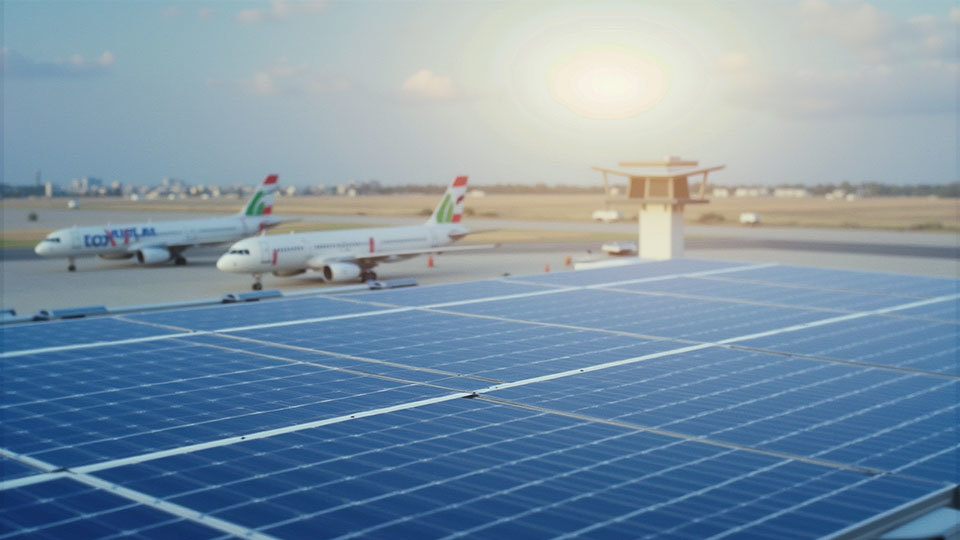
Integrated energy solutions for airports and high-speed rail stations
Through the national standard energy consumption real-time collection system, accurate monitoring and intelligent analysis of energy data are realized. The system combines traffic schedules and meteorological data to dynamically adjust the operation of lighting, fresh air, and heating and cooling source equipment; uses machine learning algorithms to generate predictive control strategies, breaking through the spatio-temporal delay effect of energy transmission and distribution; relies on AI to build a dynamic energy consumption model, corrects parameters in real time and generates fault warning and contingency plans, simultaneously carrying out carbon emission trend deduction, providing multi-dimensional decision support for green and low-carbon operation.
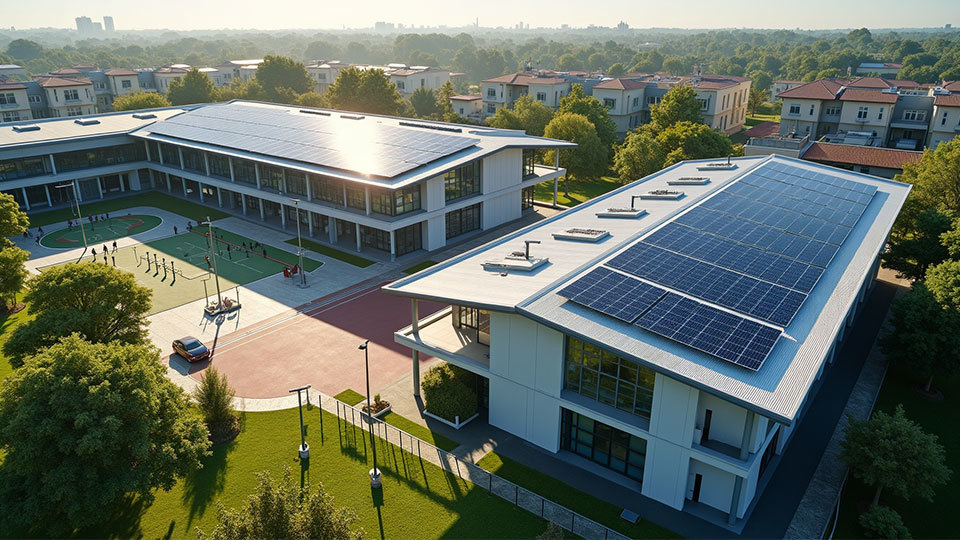
School Integrated Energy Solutions
The school's integrated energy solution centers around a photovoltaic system, incorporating smart temperature control, air-source heat pumps, and direct-drinking water purification equipment to build a green, low-carbon energy system. A digital platform monitors energy production, storage, and consumption in real time, optimizing energy efficiency management, reducing maintenance costs, and promoting the transformation of smart energy use on campus, achieving the sustainable development goals of high efficiency, energy saving, and economic environmental protection.
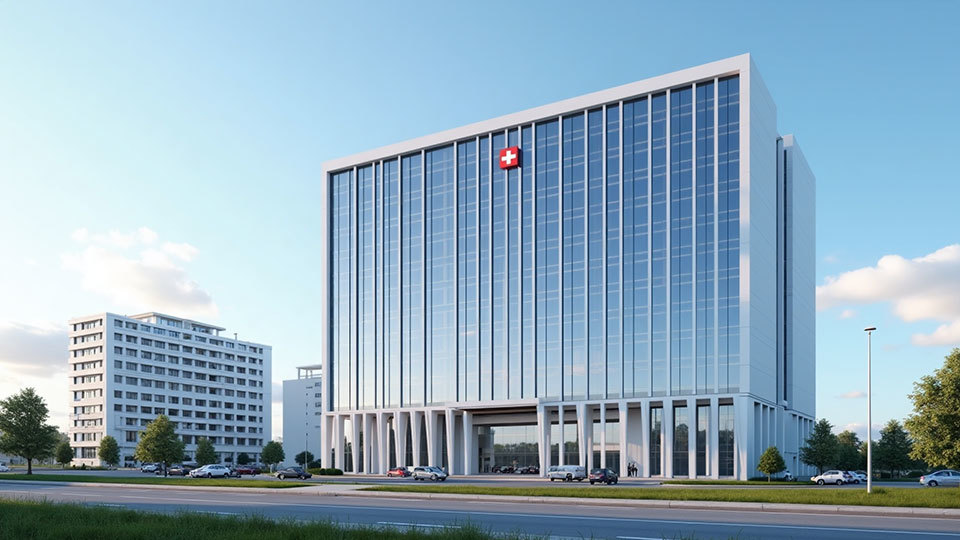
Hospital Integrated Energy Solutions
Hospitals are unlike typical public buildings; their energy supply must be both uninterrupted and of guaranteed quality. Air conditioning and heating account for over 60% of total energy consumption, presenting significant potential for energy savings. A comprehensive, integrated energy design and implementation can effectively reduce hospital energy consumption.
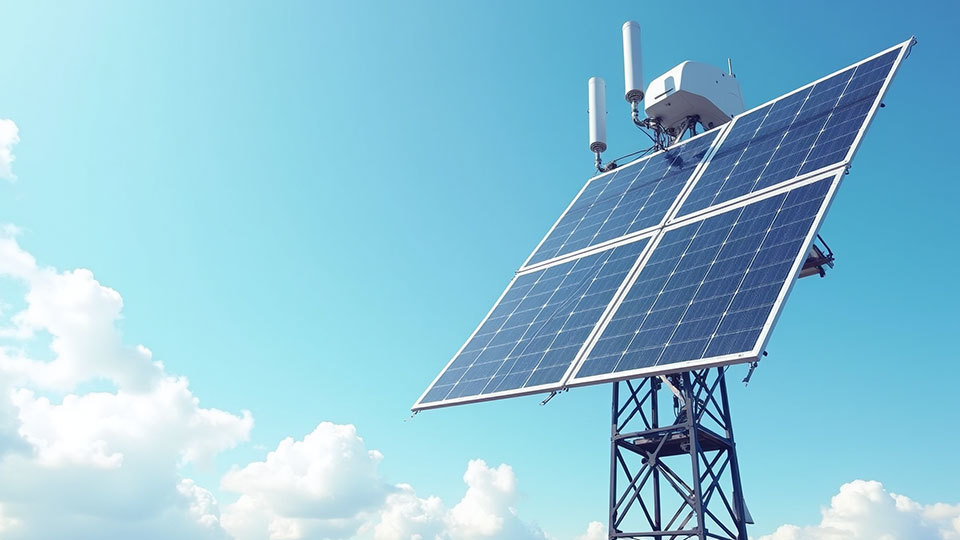
Iron Tower Communication Photovoltaic Solution
The company collaborates with China Tower Corporation to build solar photovoltaic power plants on the roofs of communication base station equipment houses. The generated electricity is integrated into the base station power distribution system, prioritized for use by the communication base station, and digital operation and maintenance methods are employed, significantly reducing manual maintenance costs.
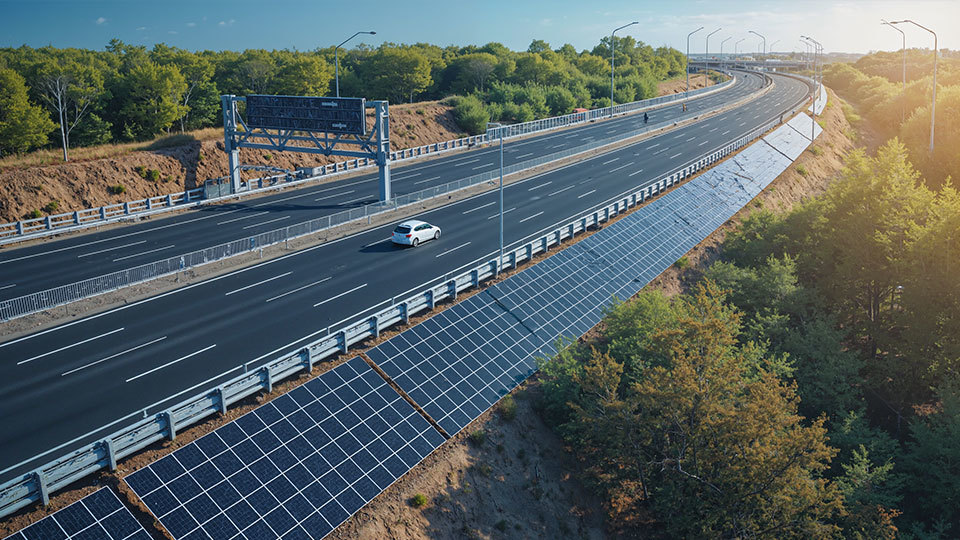
Clean energy solutions for the transportation industry
As one of the main "carbon sources", transportation emissions account for approximately 10.4% of China's total carbon emissions. The low-carbon transformation of the transportation industry is therefore of great significance. The combination of photovoltaic power generation and the transportation sector not only responds to the national requirements for energy conservation and emission reduction but also strongly supports the reduction of transportation operating costs, the improvement of economic efficiency, and the revitalization of idle assets in the transportation sector.

Clean energy solutions for oil and gas fields
Oil and gas field development is a high-energy-consuming industry. Developing and utilizing renewable energy and achieving a green and low-carbon development strategy is both in line with the needs of the new development stage of the country, undertaking the social responsibility of energy conservation and emission reduction, and an objective requirement for the company's own development. Lino Electric, through expanding the application of clean energy sources such as geothermal energy, waste heat, solar energy, and wind energy, helps petrochemical companies reduce coal and electricity consumption to achieve carbon reduction, reduce costs, and increase efficiency.
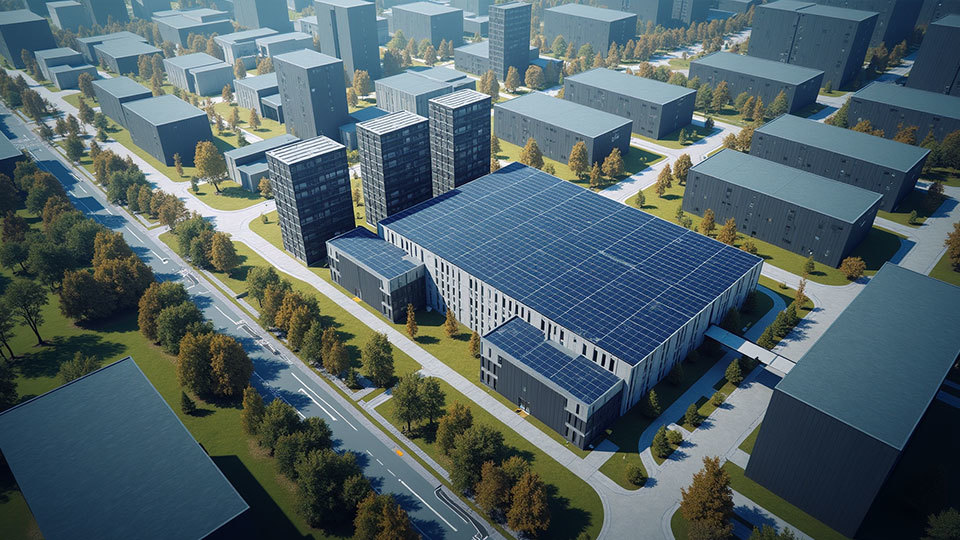
Commercial and Industrial Distributed Photovoltaic Power Generation Solutions
Primarily utilizing industrial and commercial rooftops, diverse distributed photovoltaic power station construction schemes are employed. Photovoltaic components are installed to achieve "self-generation and self-consumption, with surplus electricity fed into the grid" or "full feed-in to the grid." Main application scenarios include factory rooftops, logistics park/industrial park rooftops, and commercial building rooftops (such as shopping malls, supermarkets, parking lots, etc.), offering advantages such as alleviating local power shortages, generating additional income from surplus electricity, and achieving clean, efficient energy saving and emission reduction.
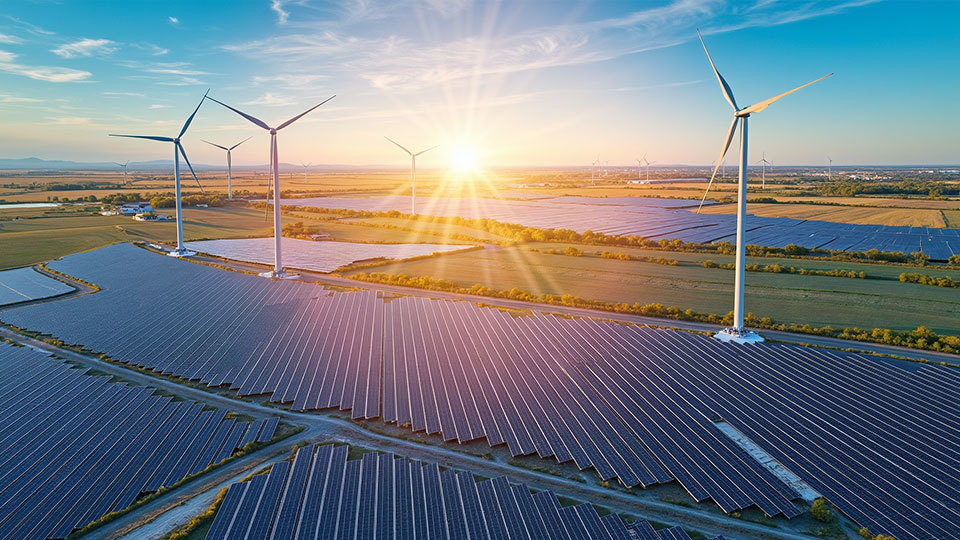
One-stop solution for large-scale wind and solar power bases
Based on the full industrial chain of wind, solar, and thermal energy storage, integrating full or surplus grid-connected photovoltaic/wind power generation modes, and coordinating power supply with the power grid. Employing modular design and equipment to enhance reliability and operation and maintenance efficiency, and achieving full-scenario intelligent monitoring through a big data cloud platform. Providing customized services for diverse scenarios, covering the entire lifecycle from planning and construction to operation, and helping to create benchmark projects with high safety, high economic efficiency, and industry demonstration value.
lino power group
Service Hotline: +86-531-88729999
Address: No. 30766, Jingshidong Road, Jinan, China
Group Station Group:
Hongjitang
Linuo Pharma
Keyuan Pharma
Linuo Pharmaceutical Packaging
Linuo Ritter
Linuo Power
Wuhan Youji
Twin Tigers Coatings